
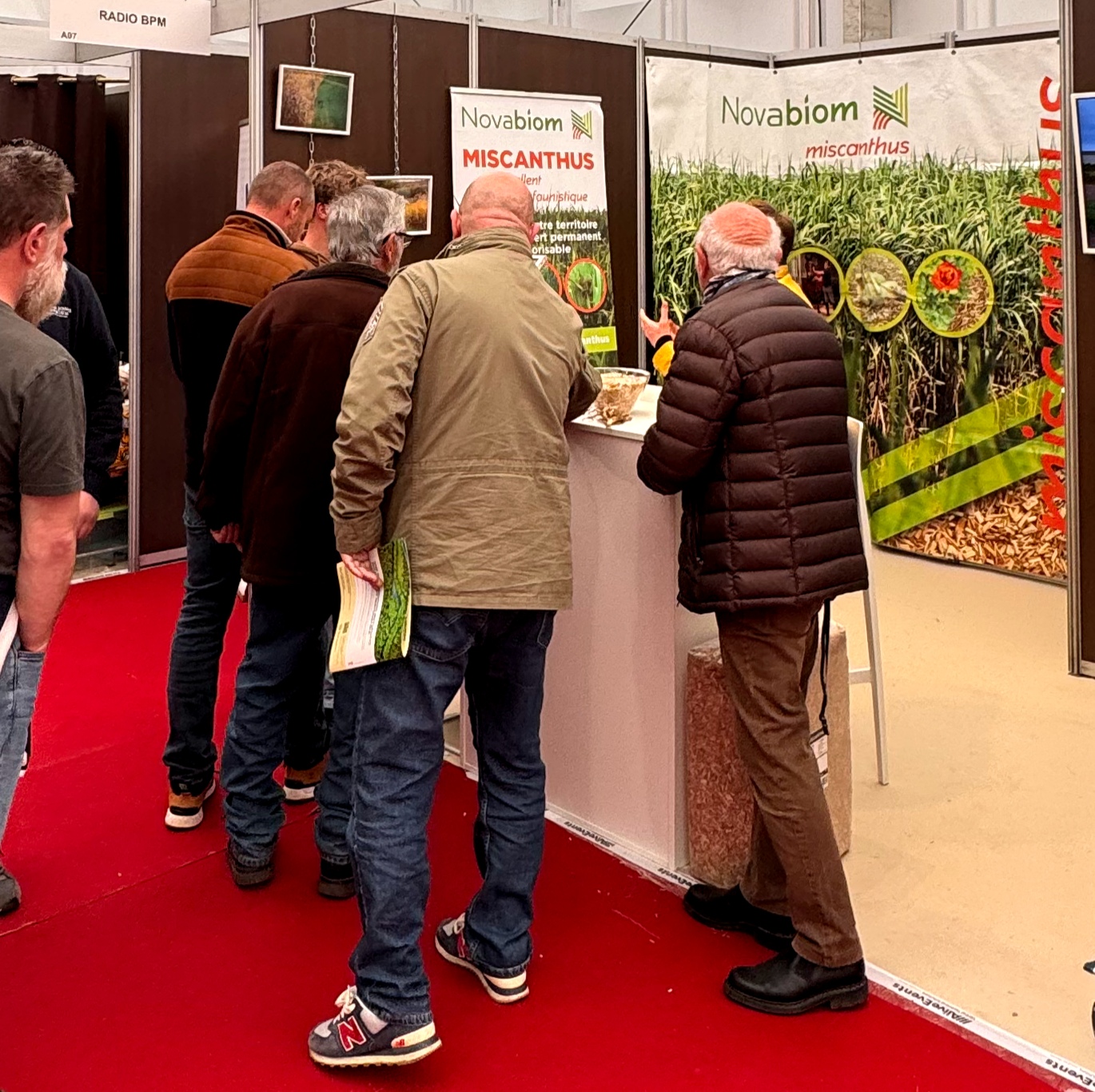
Novabiom at the Hunting and Wildlife Fair
Novabiom at the Hunting and Wildlife Fair
Over the course of four days, there were insightful discussions on land-use planning and biodiversity conservation.
Biodiversity is at the heart of hunting: without rich and balanced natural environments, there can be neither sustainable ecosystems nor game. Hunting and wildlife management ensure the abundance of species, the quality of habitats, and the proper functioning of natural cycles.
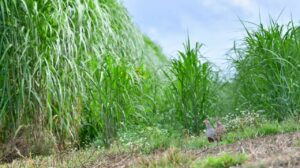
The grey partridge is a bioindicator of our plains. Any efforts to preserve or restore grey partridge populations have an impact that extends far beyond the partridge population itself. An entire ecosystem must be supported to address the many challenges we face. To take one example: climate change has a very real impact on small game birds. Thirty years ago, in northern France, harvests took place around August 15; now, it is not uncommon for them to be finished by July 15. This results in irreparable damage to young broods, with immature and therefore fragile birds.
Awareness is widespread, and efforts to preserve ecosystems are on the rise. Four actions seem essential and inseparable:
– Trapping and management of ESOD
– Feeding + access to water
– Sample management
– Land use planning
Miscanthus plays a key role in these efforts: small wildlife in lowland areas often lacks winter shelters, forest edges suitable for nesting, and sources of insects to feed their young. Miscanthus provides cover, protecting them from attacks by buzzards, and serves as a source of insects.
The size of the plots, the presence of buffer strips, and the land use within and around the plots have a significant impact on large wildlife management. Buffer strips or small plots maximize the positive effects and minimize constraints.